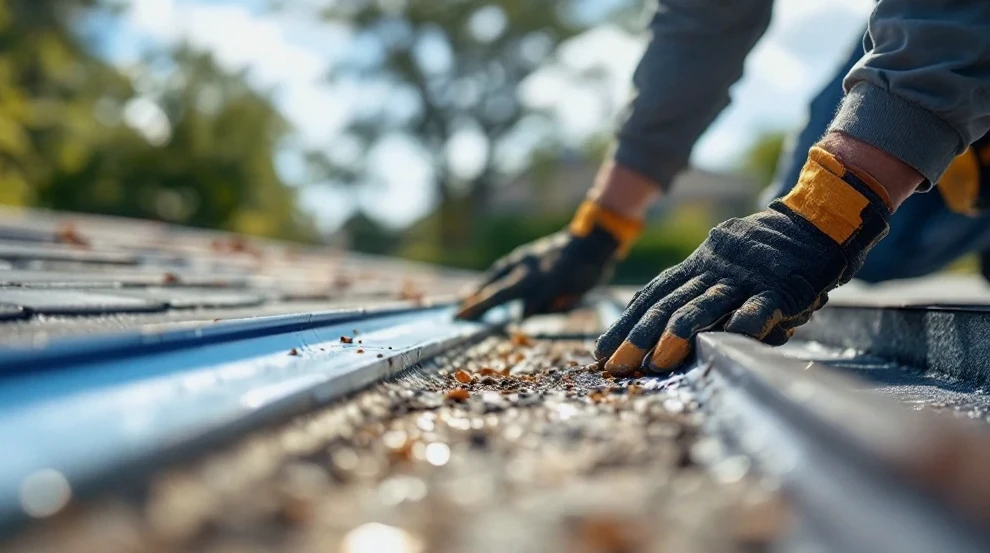
What is Flat Roof Leak Repair and how does it work?
Flat roof leak repair involves locating and fixing leaks in low-slope or flat roofs, common in Montgomery homes. It starts with finding the leak source, often around seams or flashing, then patching or replacing damaged materials. Proper sealing and drainage checks ensure long-term protection.
Flat roofs are common in Montgomery due to their cost-effectiveness and modern look, but they're prone to leaks because water doesn't run off as easily as on sloped roofs. Leaks usually start at weak points like seams, flashing around vents, or where the roof meets walls. Ignoring them leads to bigger problems like mold or structural damage.
The repair process isn't just about slapping on a patch. It starts with a thorough inspection to find the exact leak source, which can sometimes be tricky because water travels before dripping inside. Once located, the damaged area is cleaned, dried, and repaired with materials like modified bitumen, EPDM rubber, or acrylic coatings, depending on your roof type.
Montgomery's humid climate means flat roofs take a beating from both sun and rain. A good repair job includes checking the entire roof for other weak spots and ensuring proper drainage so water doesn't pool. Pooling water is the enemy of flat roofs and leads to repeated leaks if not addressed.
How Flat Roof Leak Repair works, step by step
Repairing a flat roof leak involves inspection, locating the leak, preparing the area, applying the fix, and checking drainage. Each step ensures the repair lasts and prevents future leaks. Skipping steps leads to callbacks and bigger problems down the line.
First, we inspect the roof, looking for obvious signs like cracks, blisters, or worn seams. In Montgomery, heat and humidity cause materials to expand and contract, which weakens adhesives over time. We also check inside your home for water stains or mold, which help pinpoint the leak's origin.
Once the leak is found, we clean the area thoroughly. Dirt or old sealant left behind can prevent new patches from sticking properly. For small holes or cracks, we might use a roofing cement or specialized tape. Larger damage might require cutting out a section and replacing it with new material.
Flashing, the metal strips around vents, chimneys, or walls, is a common leak source. We reseal or replace any damaged flashing, making sure it's tightly sealed to the roof. In Montgomery, wind-driven rain can exploit even tiny gaps, so this step is critical.
After the repair, we test the area with water to ensure it's watertight. Then we check the roof's overall drainage. Flat roofs need a slight slope to direct water to drains or scuppers. If water pools, we might adjust the slope or add more drains to prevent future leaks.
Why Flat Roof Leak Repair matters for your home
Ignoring a flat roof leak leads to mold, structural damage, and higher repair costs. Montgomery's climate speeds up water damage, making timely repairs crucial. A well-maintained flat roof protects your home and saves money long-term.
Water damage from a leak isn't always obvious until it's severe. In Montgomery, high humidity means mold can grow quickly inside walls or ceilings, leading to health issues and costly remediation. Structural wood rot weakens your home's frame, and ceiling stains hurt resale value.
Energy efficiency takes a hit too. Wet insulation loses its R-value, making your AC work harder. In summer, Montgomery's heat means your cooling costs can spike if your roof isn't sealing properly. A small leak today can mean a big bill later.
Flat roofs are more affordable to install but need regular maintenance. Catching leaks early avoids the need for a full roof replacement, which costs far more than repairs. A pro inspection once a year, especially after heavy storms, keeps small issues from becoming disasters.
Common problems and what causes them
Flat roofs leak due to poor drainage, aging materials, or failed flashing. Montgomery's weather, intense sun, heavy rain, and humidity, speeds up wear and tear. Knowing these issues helps you spot problems early.
Pooling water is the top culprit. Even a slight dip in the roof lets water collect, which eventually breaks down the roofing material. In Montgomery, afternoon thunderstorms dump a lot of water fast, so drains must be clear. Leaves and debris clog them easily, leading to standing water.
Seams and flashing fail over time. The adhesives or sealants used to bond roofing materials dry out and crack under Montgomery's sun. Once they fail, water sneaks in. Flashing around vents or AC units can loosen from wind or thermal expansion, creating gaps.
Blistering happens when moisture gets trapped under the roofing membrane, then heats up and expands. Walk your roof after a storm (if it's safe) to check for bubbles or soft spots. Punctures from fallen branches or foot traffic during DIY projects are another common issue.
- Poor drainage: Clogged or insufficient drains cause water to pool.
- Aging materials: Sun and heat degrade roofing membranes over time.
- Failed flashing: Loose or corroded metal around roof penetrations.
- Punctures: Foot traffic or debris can tear the roof surface.
- Shrinkage: Some materials contract with age, pulling away from edges.
Frequently Asked Questions
How long does a flat roof repair last?
A proper repair can last 5, 10 years, depending on materials and weather. Montgomery's heat and rain mean roofs wear faster than in cooler climates. Regular inspections help extend the life of repairs.
Can I patch a flat roof leak myself?
Small patches might work temporarily, but without finding the real leak source, it'll likely return. DIY fixes often miss underlying issues like poor drainage or failing seams, leading to bigger problems later.
How do I know if my flat roof has a leak?
Look for water stains on ceilings or walls, mold smells, or visible cracks or blisters on the roof. In Montgomery, check especially after heavy rains, if you see damp spots, don't wait to call a pro.
Will my homeowner's insurance cover flat roof repairs?
It depends on the cause. Storm damage is usually covered, but wear and tear isn't. Check your policy and document the damage with photos before making repairs.
How often should I inspect my flat roof?
Twice a year, spring and fall, is ideal. In Montgomery, also check after major storms. Look for cracks, pooling water, or loose flashing. Catching issues early saves money.
What's the best material for flat roof repairs in Montgomery?
EPDM rubber and modified bitumen work well here, they handle heat and rain better than some others. Coatings like acrylic can also extend the roof's life by reflecting sunlight.
Can a flat roof be replaced without removing the old one?
Sometimes, if the existing roof is in decent shape. A pro can overlay new material, but this adds weight and isn't always the best long-term fix. Full tear-offs are more thorough.
Why does my flat roof leak only sometimes?
Intermittent leaks often mean the issue is drainage-related. Water might pool only during heavy rains or when debris blocks a drain. A pro can spot these less obvious problems.
Need roof leak repair in Montgomery? Get a free estimate today.
📞 256-507-6915