What is Metal Roof Leak Repair and how does it work?
Metal roof leak repair fixes water intrusion points on metal roofs, typically caused by loose fasteners, damaged seams, or worn sealant. A pro inspects the roof, locates leaks, and reseals or replaces faulty components. Unlike shingle repairs, metal roofs need specialized techniques to avoid further damage.
Metal roofs are durable but not immune to leaks. The most common culprits in Montgomery are thermal expansion loosening screws, cracked sealant around vents, or rusted panels near gutters. A repair starts with finding the exact leak source, which isn't always where water shows up inside.
Homeowners often mistake metal roofs for being maintenance-free. While they last longer than asphalt, the fasteners and seams need checking every few years. A small leak left unchecked can lead to rust spreading under panels or rot in the decking below.
Repairs vary by roof type. Standing seam roofs might need a new clip or seam resealing, while corrugated metal often requires screw replacement or patching. The wrong fix, like slapping sealant over rust, can make things worse. That's why hiring someone who knows metal is key.
Montgomery's humidity speeds up rust and sealant failure. A repair that works in drier climates might fail here without proper materials. Pros use butyl tape or urethane sealants rated for high moisture, not generic caulk from a hardware store.
Some leaks aren't from the roof at all. Condensation from poor attic ventilation can mimic a leak. A good roofer checks the attic for moisture trails before assuming the roof's at fault, especially on older homes with added insulation blocking vents.
How Metal Roof Leak Repair works, step by step
A pro first inspects the roof and attic to pinpoint leaks, then cleans the area, replaces damaged fasteners or panels, and reseals seams with weatherproof materials. The goal is a fix that lasts, not just a quick cover-up.
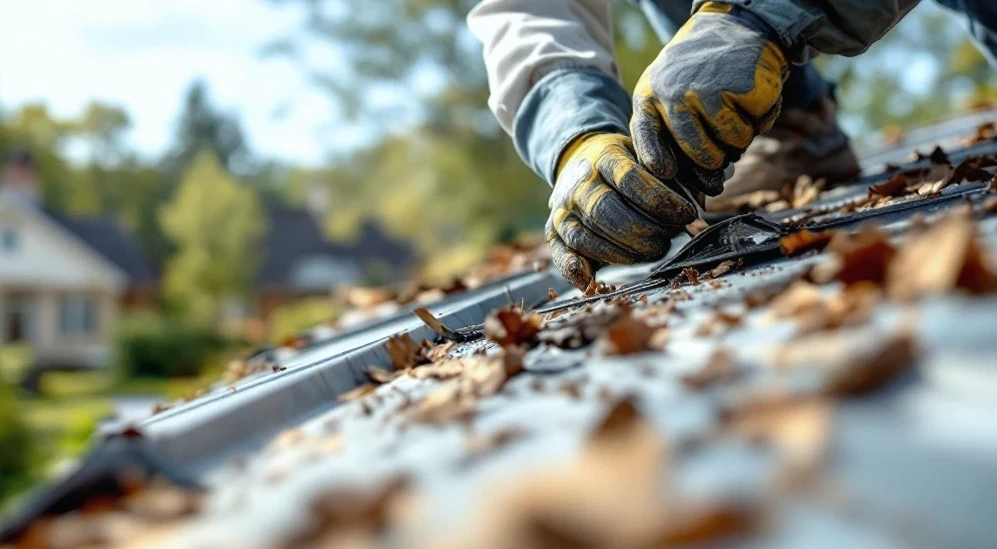
Step one is tracing the leak. Water can travel along rafters or drip from a high point to a low ceiling stain. A roofer checks the attic with a flashlight during daylight to spot light coming through gaps. On the roof, they look for lifted seams, missing screws, or cracked sealant.
Cleaning comes next. Alabama pollen and pine needles stick to roofs, hiding damage. The crew brushes off debris to see the metal clearly. Pressure washing is a no-go; it can force water under panels or peel off coatings.
Loose or rusted screws get replaced with stainless steel ones and neoprene washers. Over-tightening bends the metal, creating new gaps. If a panel's corroded, it's cut out and a new piece is spliced in with matching paint to prevent mismatched weathering.
Seams get fresh sealant, but not just any kind. Cheap silicone cracks in a year. Pros use elastomeric sealants that stretch with the metal as it expands in the sun. On standing seams, they might crimp the seam tighter with a hand tool instead of relying on sealant alone.
The last step is testing. A hose runs over the repaired area while someone checks the attic. If the leak's gone, they'll note any weak spots nearby that might need attention soon. A good repair includes advice on preventing the next leak, like trimming overhanging branches.
- Inspect: Find the leak's true source, not just the visible stain.
- Clean: Remove debris without damaging the roof's finish.
- Replace: Swap bad fasteners or panels with compatible parts.
- Seal: Use flexible, long-lasting sealant, not hardware-store caulk.
- Test: Run water to confirm the fix holds before calling it done.
Why Metal Roof Leak Repair matters for your home
Ignoring a metal roof leak risks rot, mold, and structural damage. Montgomery's heavy rains and humidity turn small leaks into costly repairs fast. A proper fix protects your home's value and avoids emergency patches later.
Metal roofs are tough, but leaks sabotage that durability. Water trapped under a panel rusts the underside, hidden from view until it's widespread. By then, you're replacing whole sections, not just resealing a seam. Early repairs save thousands in premature roof replacement.
Montgomery's summer storms dump water fast. A tiny gap can channel gallons into your attic, soaking insulation and warping decking. Wet insulation loses R-value, making your AC work harder. Fix the roof, and your energy bills often drop back to normal.
Unchecked leaks attract pests. Termites and carpenter ants follow moisture into eaves and walls. What starts as a drip becomes an infestation, especially in older neighborhoods like Cloverdale or Garden District where homes have wood frames close to the roof.
Resale takes a hit if inspectors note unrepaired roof leaks. Buyers assume the worst, that hidden damage lurks under every stain. A documented repair with a warranty reassures them. Metal roofs already boost home value; keeping them leak-free protects that edge.
DIY fixes often backfire. A homeowner might nail down a lifted panel, only to puncture the waterproof underlayment. Or they'll caulk a seam that needed mechanical fastening, leaving the real problem to worsen. Pros know which fixes hold and which are bandaids.
Common problems and what causes them
Loose fasteners, failed sealant, and thermal movement cause most metal roof leaks in Montgomery. Poor installation or storm damage account for the rest. Knowing the cause guides the right repair.
Screws back out over time. Metal expands in heat and contracts at night, slowly working fasteners loose. The first sign is often a row of leaks along a panel's edge. Stainless steel screws with rubber washers last longer, but even they need checking every 5-7 years here.
Sealant fails from sun exposure. The south-facing slopes of a roof bake in Alabama summers, drying out sealant until it cracks. Once it does, wind drives rain under seams. The fix isn't more sealant but removing the old and applying a fresh, UV-resistant bead.
Thermal movement stresses weak points. A roof that shifts slightly each day can fatigue metal around chimneys or vents. Flashing that looked fine at installation might pull away after a few years. These leaks need flexible flashing or expansion joints, not rigid patches.
Storms tear off panels or dent them. Hail creates small dimples that pool water, speeding rust. High winds can lift entire panels if clips weren't installed right. After severe weather, it's smart to inspect for damage even if no leaks are obvious yet.
Condensation fools homeowners. A leak that only appears on humid mornings might be attic sweat, not roof failure. Adding roof vents or improving attic airflow often solves it. This is common in Montgomery homes where previous owners packed insulation too tight against the eaves.
- Loose fasteners: The #1 leak source; screws need retightening or replacing.
- Sealant failure: Sun and heat crack old sealant; requires complete removal before resealing.
- Thermal movement: Metal expands/contracts, stressing seams and flashings over time.
- Storm damage: Hail dents and wind uplift need prompt repair to prevent secondary leaks.
- Condensation: Poor ventilation mimics leaks; check attic moisture before blaming the roof.
Frequently Asked Questions
Can I just caulk a metal roof leak myself?
Temporary caulk might slow a leak, but it won't last. Metal roofs move with temperature changes, cracking rigid caulk. A pro removes old sealant, cleans the area, and applies flexible sealant made for metal roofs, often with a backing rod for deeper gaps.
How long should a metal roof repair last?
A proper repair lasts as long as the surrounding roof. If done right with compatible materials, you shouldn't see the same leak again. Most pros guarantee repairs for 2-5 years, but the fix itself should outlast that if the roof's in good shape otherwise.
Will walking on my metal roof cause leaks?
It can. Metal panels dent easily, and foot traffic bends seams. Pros use foam-padded shoes and step on the ribs, not the flat areas. If you must go up, limit trips and don't drag tools across the surface. Better to let a roofer handle it.
Why does my metal roof leak in one spot when it rains hard but not in lighter rains?
That's often a fastener or seam issue. Light rain drips off, but heavy rain pools at a low spot or gets driven uphill by wind, finding gaps. The leak might be inches away from where it shows inside. A pro can trace the water's path to the real entry point.
Can a metal roof be patched, or does the whole panel need replacing?
Small rust spots or holes can be patched with a matching metal piece and sealant. But if corrosion covers over 30% of a panel, replacement is smarter. Patches on large damaged areas tend to fail faster and hurt the roof's looks.
Do metal roofs leak more than shingle roofs?
Not if installed right. Metal roofs shed water faster and resist wind better than shingles. But their leaks are trickier to fix because water travels farther before dripping inside. Proper maintenance prevents most leaks, just like with any roof.
How do I know if my metal roof's underlayment is failing?
Signs include leaks that appear away from seams or fasteners, or widespread rust on the underside of panels. Underlayment failure usually means the roof's old or was installed with cheap materials. It's a bigger job than a simple leak repair.
Will my homeowners insurance cover metal roof leak repairs?
It depends. Sudden damage like storm-related leaks is usually covered. Slow leaks from wear and tear often aren't. Check your policy and document the damage with photos before making temporary repairs, as some insurers require seeing the original issue.
Need roof leak repair in Montgomery? Get a free estimate today.
📞 256-507-6915