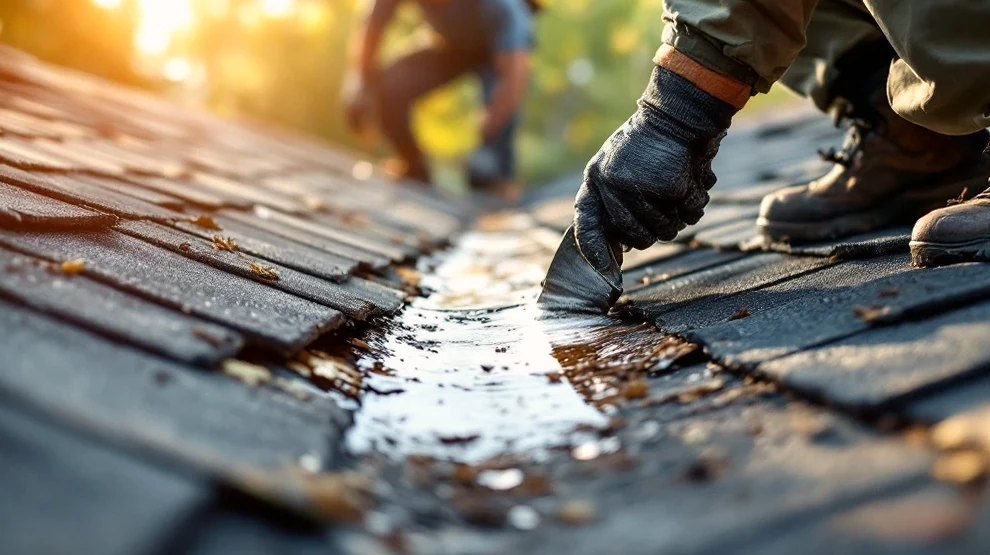
What is Shingle Roof Leak Repair and how does it work?
Shingle roof leak repair involves identifying and fixing leaks in roofs covered with asphalt shingles. It includes inspecting the roof, locating the source of the leak, and applying repairs to prevent water from entering the home.
Shingle roofs are common in Montgomery due to their affordability and durability. However, they can develop leaks over time due to wear and tear, improper installation, or storm damage. Repairing these leaks promptly is crucial to prevent further damage to your home.
The process starts with a thorough inspection to find the exact source of the leak. This can be tricky because water can travel along the roof before dripping into your home. Once the source is identified, the damaged shingles are replaced or repaired, and additional sealants may be applied to ensure the area is watertight.
In Montgomery, the hot and humid climate can accelerate the deterioration of shingles, making regular inspections and timely repairs even more important. Ignoring a small leak can lead to bigger problems like mold growth, structural damage, and higher repair costs down the line.
How Shingle Roof Leak Repair works, step by step
Shingle roof leak repair involves several steps: inspection, locating the leak, removing damaged shingles, replacing or repairing them, and applying sealants to prevent future leaks.
The first step is a detailed inspection. A professional roofer will check the entire roof for signs of damage, such as cracked, curled, or missing shingles. They'll also look for areas where water might be pooling, as these spots are prone to leaks.
Once the inspection is complete, the roofer will pinpoint the exact source of the leak. This might involve checking the attic for water stains or using specialized tools to detect moisture. It's not always straightforward because water can travel along the roof before dripping into your home.
After locating the leak, the damaged shingles are carefully removed. This is done to avoid damaging the surrounding shingles. New shingles are then installed, ensuring they match the existing ones in color and style. Sealants are applied to the edges and any gaps to make sure the area is completely watertight.
Finally, the roofer will clean up the area, removing any debris or old materials. They'll also conduct a final inspection to ensure the repair is successful and that there are no other potential leak sources.
Why Shingle Roof Leak Repair matters for your home
Shingle roof leak repair is crucial to protect your home from water damage, mold growth, and structural issues. Timely repairs can save you from costly repairs and maintain the integrity of your roof.
A leaking roof can cause significant damage to your home if left unchecked. Water can seep into the walls, ceilings, and insulation, leading to mold growth and structural issues. In Montgomery's humid climate, mold can spread quickly, posing health risks to your family.
Ignoring a small leak can lead to bigger problems. Over time, the water damage can weaken the roof's structure, making it more susceptible to collapsing during heavy storms. This not only puts your home at risk but also increases the cost of repairs.
Regular inspections and timely repairs can extend the life of your roof. By addressing leaks early, you can avoid the need for a full roof replacement, which is much more expensive and time-consuming. Keeping your roof in good condition also helps maintain your home's value.
In Montgomery, where summer storms are common, a well-maintained roof is essential to protect your home from the elements. Shingle roof leak repair ensures your home stays dry and comfortable, no matter the weather.
Common problems and what causes them
Common issues with shingle roofs include cracked or missing shingles, improper installation, and damage from storms. These problems can lead to leaks if not addressed promptly.
Cracked or missing shingles are a frequent issue, especially in older roofs. Over time, shingles can become brittle and crack due to exposure to the elements. Missing shingles leave the underlying roof exposed, making it easy for water to seep in.
Improper installation is another common problem. If shingles are not installed correctly, they can lift, curl, or blow off during strong winds. This creates gaps where water can enter, leading to leaks. It's important to hire a reputable contractor to ensure your roof is installed properly.
Storm damage is a significant concern in Montgomery. Heavy rains, strong winds, and hail can damage shingles, causing them to crack, break, or blow off. After a storm, it's essential to inspect your roof for any damage and address it quickly to prevent leaks.
Another issue is poor ventilation in the attic. Without proper ventilation, heat and moisture can build up, causing the shingles to deteriorate faster. This can lead to leaks and reduce the lifespan of your roof. Ensuring your attic is well-ventilated can help prevent these problems.
Frequently Asked Questions
How do I know if my shingle roof is leaking?
Signs of a leaking shingle roof include water stains on ceilings or walls, damp spots in the attic, and missing or damaged shingles. If you notice any of these signs, it's important to have your roof inspected as soon as possible.
Can I repair a shingle roof leak myself?
While minor repairs like replacing a single shingle can be done by homeowners, it's often best to leave roof repairs to professionals. They have the tools and expertise to safely and effectively fix leaks, ensuring the repair lasts.
How long does shingle roof leak repair take?
The time it takes to repair a shingle roof leak depends on the extent of the damage. Most repairs can be completed in a few hours, but larger repairs might take a full day. A professional roofer can give you a more accurate timeline after inspecting your roof.
What causes shingle roofs to leak?
Shingle roofs can leak due to cracked or missing shingles, improper installation, storm damage, and poor attic ventilation. Regular inspections and maintenance can help prevent these issues and extend the life of your roof.
How often should I inspect my shingle roof?
It's a good idea to inspect your shingle roof at least twice a year, in the spring and fall. Additionally, you should check your roof after any major storm to ensure there's no damage.
What's the difference between repairing and replacing a shingle roof?
Repairing a shingle roof involves fixing specific areas of damage, such as replacing a few shingles or sealing gaps. Replacing a roof means removing the old shingles and installing a new roof. Repairs are less expensive and time-consuming than a full replacement.
Can a leaking shingle roof cause mold?
Yes, a leaking shingle roof can cause mold growth. Water that seeps into your home can create damp conditions, which are ideal for mold. If you suspect a leak, it's important to address it quickly to prevent mold from spreading.
What should I do if I find a leak in my shingle roof?
If you find a leak in your shingle roof, the first step is to contain the water to prevent further damage. Place a bucket under the leak and move any furniture or valuables out of the way. Then, contact a professional roofer to inspect and repair the leak as soon as possible.
Need roof leak repair in Montgomery? Get a free estimate today.
📞 256-507-6915