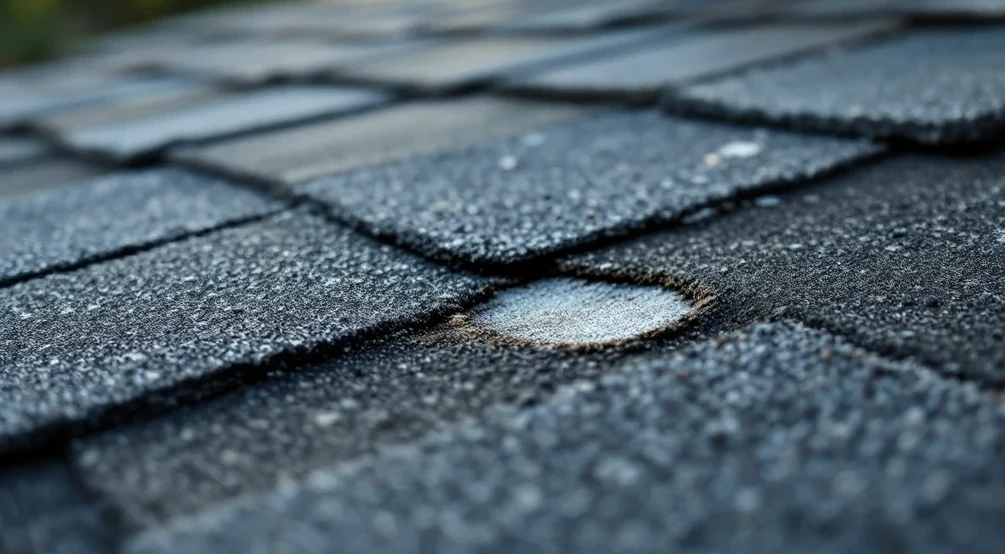
What are the signs you need Roof Leak Repair?
You need roof leak repair if you see water stains on ceilings or walls, mold growth, missing or damaged shingles, or hear dripping sounds. In Montgomery, heavy rains and humidity make leaks worse fast. Don't wait, small leaks lead to big problems like rot or structural damage.
Water stains are the most obvious sign. They start as faint yellow or brown spots on ceilings or walls, often near chimneys, vents, or where roof planes meet. In Montgomery's humidity, these stains grow quickly and can develop black mold edges if ignored.
Missing shingles are another red flag. After a storm, check your roof from the ground for gaps or curled shingles. Even one missing shingle lets water seep under the layers, and Montgomery's frequent thunderstorms speed up the damage.
Mold or mildew in your attic or on walls means moisture is trapped. Unlike surface condensation, leak-related mold grows in streaks or patches following the path of water. It smells musty and spreads fast in our humid climate.
Dripping sounds or wet insulation in the attic are late-stage warnings. By the time you hear water, the leak has likely been active for weeks. Peel back attic insulation to check for dark, damp spots, especially after heavy rain.
The warning signs to watch for
Watch for water stains, sagging roof decks, granule loss in gutters, and daylight through attic boards. Montgomery's heat and storms make these signs appear faster than in drier climates.
Granules in gutters mean shingles are wearing out. Check your gutters after heavy rain, if you see lots of black or gray grit, your shingles are losing their protective coating. Without granules, UV rays bake the asphalt layer, causing cracks and leaks.
Sagging areas on the roof deck signal long-term water damage. Press gently on suspicious spots from inside the attic; if the wood feels spongy, rot has set in. This is common around chimneys in older Montgomery homes where flashing fails.
Daylight through attic boards means gaps exist. Go into the attic on a sunny day, turn off the lights, and look for pinpricks of light. Even tiny holes let rain drive in during sideways storms, which we get plenty of here.
Peeling paint or wallpaper inside often points to roof leaks, not just humidity. Water travels along rafters or pipes, so the leak's source might be 10 feet away from the visible damage. Pay attention to bubbles or cracks near exterior walls.
- Exterior signs: Rusty flashing, cracked vent boots, or algae streaks (common in shaded areas like Cloverdale homes).
- Interior signs: Blistered drywall tape, warped baseboards, or a sudden spike in cooling bills (from wet insulation).
What causes these problems in Montgomery
Montgomery's summer storms, high humidity, and temperature swings warp roofs faster than in cooler climates. Poor installation and aging materials compound the problem, especially in historic districts like Garden District or Old Cloverdale.
Heavy rain overwhelms old or poorly sealed flashing. Around chimneys, skylights, and vent pipes, flashing takes the brunt of Montgomery's downpours. If it's nailed down instead of sealed with roofing cement, water gets under it fast.
Heat blisters on shingles are unique to our climate. When temperatures hit the 90s, trapped moisture under shingles expands into bubbles. These burst open in winter freezes, leaving cracks for rain to enter. South-facing roofs in neighborhoods like Dalraida get hit hardest.
Ice dams aren't common here, but wind-driven rain is. Storms push water uphill under shingles, especially if they're brittle from age. Homes near the Alabama River see this often due to higher winds.
Clogged gutters cause overflow that rots eaves. Live oaks and pines shed needles year-round, and a single storm can pack gutters with debris. If water backs up under the drip edge, it soaks the roof deck within weeks.
What happens if you ignore the signs
Ignoring leaks ruins insulation, rots framing, and attracts termites. In Montgomery, mold becomes a health hazard fast, and repair costs multiply if water reaches electrical systems or foundation vents.
Wet insulation loses R-value and never fully recovers. Once fiberglass or cellulose gets soaked, it compresses and stays damp, raising your cooling bills by 20% or more. You'll need to replace it along with the roof repair.
Rot spreads silently in humid climates. A leak over a porch roof in Capitol Heights might seem minor, but the wood joists underneath can decay for years before sagging becomes visible. By then, the repair requires structural work.
Termites follow moisture. They're already rampant in Montgomery, and damp attic beams or soffits are prime targets. An untreated leak near a gable vent can lead to a full-blown infestation in one season.
Mold spores thrive here. Unlike up north, our humidity keeps mold active year-round. Black mold in walls or attics aggravates allergies and asthma, and remediation adds thousands to the repair bill.
Frequently Asked Questions
Can I just patch a small leak myself?
Temporary patches like tar or sealant might work for a few weeks, but Montgomery's heat breaks them down fast. Without fixing the underlying issue, like cracked flashing or worn shingles, the leak will return worse.
Why do leaks show up far from the actual roof damage?
Water follows rafters, pipes, or electrical lines downhill. A leak near your bedroom light fixture might start at a vent stack 15 feet away. Professionals use moisture meters to track the true source.
How often should I check for leaks?
Inspect your attic every 3 months and after major storms. Look for dark spots on plywood or rusted nail heads, which indicate moisture. Gutters should be cleared at least twice a year, spring and fall.
Are some roof types more prone to leaks here?
Flat or low-slope roofs (common on mid-century homes like those in Normandale) drain slower and hold standing water. Tile roofs crack under hail, and older asphalt shingles curl in high heat.
Will my homeowner's insurance cover leak repairs?
It depends. Sudden damage from a storm is usually covered, but slow leaks due to poor maintenance often aren't. Document the damage with photos before making temporary repairs.
How long can I wait to fix a leak?
In our climate, even a month can cause major damage. Mold starts growing in 48 hours, and summer rains keep the wood wet. Schedule repairs as soon as you spot signs.
Can leaks cause electrical problems?
Yes. Water tracking along wires can short circuits or corrode connections. If you see flickering lights or outlets near a stain, turn off the breaker and call an electrician immediately.
Why does my ceiling stain keep coming back after painting?
Paint doesn't seal active leaks. The stain returns because water is still getting in, and paint traps moisture inside the drywall, making rot worse. Fix the roof first.
Need roof leak repair in Montgomery? Get a free estimate today.
📞 256-507-6915